All About Printed Circuit Board Assembly Services

Updated: Sep 29, 2025
Printed circuit board assembly (PCBA) processes form the backbone of modern electronics manufacturing. These processes involve the precise placement and soldering of electronic components onto printed circuit boards (PCBs), creating functional electronic devices. Understanding these processes is essential for industries and businesses seeking reliable and innovative electronic manufacturing solutions. This article explores the key aspects of PCBA assembly processes, their significance, cost considerations, and how they contribute to delivering high-quality electronic products.
Understanding PCBA Assembly Processes
PCBA assembly processes encompass a series of carefully controlled steps that transform bare PCBs into fully functional electronic assemblies. The process begins with the preparation of the PCB, which includes cleaning and inspection to ensure the board is free from defects. Next, components are placed on the board using automated machines or manual methods, depending on the complexity and volume of production.
The primary methods of component placement include surface-mount technology (SMT) and through-hole technology (THT). SMT involves mounting components directly onto the surface of the PCB, allowing for higher component density and smaller board sizes. THT, on the other hand, requires inserting component leads through holes in the PCB, which are then soldered on the opposite side. Both methods may be used in combination to meet specific design requirements.
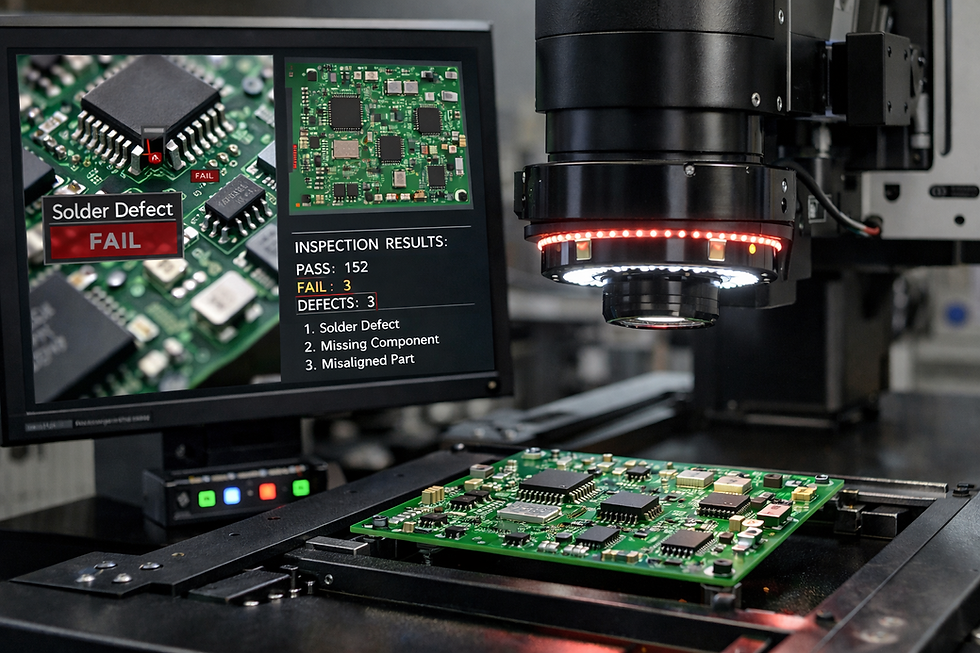
Soldering is a critical step that secures components electrically and mechanically to the PCB. Common soldering techniques include reflow soldering for SMT components and wave soldering for THT components. After soldering, the assemblies undergo inspection and testing to verify functionality and quality. Automated optical inspection (AOI), X-ray inspection, and functional testing are standard practices to detect defects and ensure compliance with specifications.
Key Stages in PCBA Assembly Processes
The PCBA assembly process can be broken down into several key stages, each requiring precision and quality control:
Solder Paste Application
A stencil printer applies solder paste to the PCB pads where components will be placed. The solder paste acts as an adhesive and provides the solder material for the subsequent reflow process.
Component Placement
Automated pick-and-place machines position components onto the solder-pasted PCB with high accuracy. For small production runs or prototypes, manual placement may be used.
Reflow Soldering
The PCB passes through a reflow oven where the solder paste melts and solidifies, creating strong solder joints. Temperature profiles are carefully controlled to avoid damage to components.
Through-Hole Component Insertion and Wave Soldering
For through-hole components, leads are inserted manually or by machine, followed by wave soldering, where the PCB passes over a wave of molten solder to secure the components.
Inspection and Testing
Post-assembly inspection ensures that all components are correctly placed and soldered. Functional testing verifies that the assembled PCB performs as intended.
Cleaning and Final Assembly
Any residual flux or contaminants are cleaned off the PCB. The assembled boards may then be integrated into larger systems or enclosures.
Each stage demands strict adherence to quality standards to prevent defects that could compromise the performance or reliability of the final product.

Are PCBs Expensive to Manufacture?
The cost of manufacturing PCBs depends on several factors, including design complexity, materials, production volume, and assembly processes. While the base cost of a bare PCB may be relatively low, the assembly process can significantly influence the overall expense.
Complex designs with multiple layers, fine pitch components, and high-density interconnects require advanced manufacturing techniques and more time, increasing costs. Additionally, the choice between SMT and THT affects pricing, as SMT generally allows for faster and more automated assembly, reducing labour costs.
Volume also plays a crucial role. High-volume production benefits from economies of scale, lowering the per-unit cost. Conversely, prototypes and small batches tend to be more expensive per unit due to setup costs and manual labour.
Quality requirements impact cost as well. Rigorous testing, inspection, and certification add to the expense but are essential for applications where reliability is critical, such as aerospace, medical devices, and automotive electronics.
In summary, while PCBs can be manufactured cost-effectively, the total cost depends on design, volume, and quality demands. Businesses must balance these factors to achieve optimal value.

The Role of Printed Circuit Board Assembly Services
Outsourcing to professional printed circuit board assembly services offers numerous advantages for companies seeking high-quality electronics manufacturing. These services provide expertise, advanced equipment, and quality assurance processes that ensure reliable and efficient production.
Professional assembly providers handle everything from component sourcing and inventory management to assembly, testing, and logistics. This comprehensive approach reduces lead times and minimizes the risk of errors. Additionally, they often have certifications and comply with industry standards such as IPC-A-610, ISO 9001, and RoHS, which guarantee product quality and environmental compliance.
By leveraging such services, businesses can focus on design and innovation while relying on trusted partners to deliver precision and reliability. This is particularly valuable for global industries requiring consistent quality and timely delivery.
Future Trends in PCBA Assembly Processes
The electronics manufacturing industry continues to evolve, driven by technological advancements and market demands. Several trends are shaping the future of PCBA assembly processes:
Miniaturisation and High-Density Interconnects
As devices become smaller and more powerful, PCBs require finer pitch components and more layers. This demands improved assembly techniques and inspection methods.
Automation and Industry 4.0
Increased automation, including robotics and artificial intelligence, enhances precision and efficiency. Smart factories with real-time monitoring improve quality control and reduce downtime.
Flexible and Rigid-Flex PCBs
The use of flexible substrates allows for innovative product designs, especially in wearable technology and medical devices. Assembly processes adapt to handle these new materials.
Sustainability and Green Manufacturing
Environmental considerations drive the adoption of lead-free solder, recyclable materials, and energy-efficient processes.
Staying informed about these trends helps businesses and manufacturers maintain competitiveness and meet evolving customer expectations.
Choosing the Right PCBA Assembly Partner
Selecting a reliable PCBA assembly partner is critical for success. Key considerations include:
Experience and Expertise
Look for providers with a proven track record in handling similar products and technologies.
Quality Certifications
Ensure the partner complies with relevant industry standards and maintains rigorous quality control.
Manufacturing Capabilities
Verify that the provider has the necessary equipment and capacity to meet your production volume and complexity.
Supply Chain Management
Effective sourcing and inventory control reduce delays and costs.
Customer Support and Communication
Transparent communication and responsive support facilitate smooth project execution.
By carefully evaluating these factors, businesses can establish partnerships that deliver high-quality electronic assemblies on time and within budget.
In summary, understanding PCBA assembly processes is essential for producing reliable and innovative electronic products. From component placement to soldering and testing, each step requires precision and quality control. While manufacturing costs vary based on design and volume, professional printed circuit board assembly services offer expertise and efficiency that benefit global industries. Keeping abreast of technological trends and selecting the right assembly partner ensures continued success in the dynamic electronics manufacturing landscape.